
Douglas Germany operates as the primary commercial fragrance and beauty retailer in the German market, dominating pedestrian shopping zones and city centers across the country. For shoppers seeking mainstream designer releases, seasonal gift sets, and corporate beauty staples, it serves as the most accessible department-style destination. However, its standardized commercial shelf space leaves substantial gaps for perfume enthusiasts who prioritize high-concentration artisan extraits, resinous oriental profiles, and rare independent blends.
What Is Douglas Germany and How Does It Define German Fragrance Retail?
To understand fragrance shopping in Central Europe, one must examine the institutional presence of Douglas Germany. The enterprise traces its corporate origins back to an 1821 Hamburg soap factory founded by J.S. Douglas. Over two centuries, that municipal production facility evolved into continental Europe's primary omnichannel beauty chain. Today, its storefronts anchor the central pedestrian districts (Fußgängerzonen) of nearly every major German municipality, from Hamburg's Mönckebergstraße and Frankfurt's Zeil to Munich's Kaufingerstraße.
The retail model relies on sheer physical availability. When an international fashion conglomerate launches a high-profile marketing campaign for a fresh Eau de Toilette or floral Eau de Parfum, Douglas serves as the distribution backbone in Germany. Store layouts follow a predictable commercial blueprint: prestige cosmetics and promotional podiums greet customers at the entrance, flanked by prestige fashion house scent counters arranged by global licensing houses.
German consumers traditionally treat these retail spaces as the primary testing ground for seasonal updates and reliable gift acquisitions. The shopping ritual is deeply woven into downtown weekend commerce. Shoppers step in to test familiar designer names, pick up complimentary gift wrapping, and rely on standard point-of-sale loyalty programs. This physical ubiquity created an environment where the average fragrance consumer equates perfumery exclusively with designer labels backed by large-scale media distribution.
The shift toward corporate acquisitions and online expansion
As consumer habits migrated toward digital storefronts, the retail group expanded aggressively beyond traditional brick-and-mortar storefronts. Rather than relying solely on its heritage retail counters, the corporate group executed strategic acquisitions across European e-commerce. Strategic buyouts of independent platforms like Parfumdreams and Niche Beauty allowed the corporate umbrella to capture digital-native shoppers and touch luxury cosmetic segments without diluting the mass-market identity of the flagship stores.
This corporate evolution culminated in financial restructurings, private equity involvement, and eventual public listings on the stock exchange. While this institutional scale provides supply chain efficiency, it also fundamentally ties the retailer's inventory choices to corporate margin requirements and mass-volume inventory turnover. Corporate buying desks must prioritize inventory that appeals to millions of broad-spectrum buyers rather than stocking limited-batch formulations or challenging olfactive profiles.
Assortment Limits: Designer Scents vs. High-Concentration Niche Perfumery
The central trade-off of commercial department stores lies in the catalog selection. Corporate shelf space requires rapid merchandise rotation. Major retail chains stock formulas designed to create immediate top-note appeal within three seconds of spraying on a paper card.
Mass-Distribution Retail Model:
Top-heavy alcohol formulas -> Broad commercial appeal -> High turnover -> Moderate longevity

Specialist Niche & Oriental Model:
High essential oil concentration -> Resinous base development -> Artisanal profile -> Extended longevity
Corporate buying desks curate their collections around mass-distribution Eau de Toilette (EDT) and standard Eau de Parfum (EDP) concentrations from global licensing powerhouses. These blends lean heavily on volatile top notes—sparkling citrus, clean aldehydes, and synthetic aquatic accords—that smell crisp in an air-conditioned shop but frequently dissipate after two to three hours on dry skin. Formulations with dense resinous compounds, aged wood extracts, and intense natural spices do not fit this high-velocity turnover model.
As a consequence, German high-street retail almost entirely excludes emerging oriental, amber, and resinous perfume houses. Labels such as Lattafa, French Avenue, and Riiffs rarely grace traditional pedestrian-zone counters. When shoppers seek complex sweet-spicy gourmands like Lattafa Khamrah Dukhan Eau de Parfum or contemporary profiles like French Avenue Liquid Brun, commercial department stores offer few answers. These creations rely on heavy base foundations—vanilla bean, smoky tobacco, toasted tonka, and dark resins—that evolve slowly across an entire day rather than flashing quickly on a testing strip.
| Category Attribute | High-Street Commercial Retail | Independent Niche & Oriental Specialists |
|---|---|---|
| Primary Formulation | Eau de Toilette & Standard Eau de Parfum | High-Concentration EDP & Extrait de Parfum |
| Scent Profile Core | Fresh citrus, clean florals, modern blue synthetics | Dark resins, smoky woods, raw oud, rich spices, deep ambers |
| Sillage & Projection | Moderate projection, rapid dry-down to clean musks | Dense, room-filling projection with lasting sillage |
| Skin Longevity | Typically 3 to 6 hours depending on skin type | Frequently 8 to 14 hours through heavy oil concentrations |
| Olfactory Variety | Standardized corporate fashion releases | Artisanal balance, Middle Eastern profiles, rare gourmands |
The underlying distinction comes down to essential oil concentration and ingredient selection. Commercial designer perfumes generally stay within twelve to eighteen percent aromatic compound ratios dissolved in standard perfumer's alcohol. Independent artisanal houses and Middle Eastern perfume creators routinely formulate at Extrait de Parfum levels, incorporating higher oil densities that grip skin lipids and resist fast evaporation. Understanding these differences is essential when reviewing long-lasting perfume recommendations to separate quick-fading commercial releases from true powerhouses.
How to Navigate Fragrance Formulations, Testers, and Pricing in Germany
Shopping for fine fragrances in Germany requires an analytical approach to retail markups, loyalty mechanics, and testing environments. Commercial department perfumeries operate on fixed suggested retail pricing, counterbalanced by periodic seasonal discounts, promotional discount cards, and small sample inclusions. However, even with promotional discounts, commercial designer scents carry substantial brand premiums rooted in multi-million-euro marketing campaigns rather than raw formulation costs.
To evaluate real fragrance value, ignore the marketing narrative and calculate your personal cost-per-wear based on:
- Oil concentration and skin longevity: A lighter fragrance requiring eight sprays per application costs significantly more over time than an intense extrait requiring only two sprays.
- Volumetric sillage: Measure how the fragrance projects after three hours, not during the initial five minutes.
- Resilience to climate: German winters dry out skin lipids rapidly, causing light designer formulations to disappear within hours.
Online shopping channels in Germany offer clear logistical frameworks. When ordering from domestic specialty retailers, look for standard domestic shipping terms, sensible delivery windows, and clear order thresholds. Speciality perfume shops often provide direct delivery perks, including complimentary gifts on qualified orders or free domestic delivery thresholds that make building a seasonal collection far more economical than paying downtown retail markups.
Why retail lighting and ambient scents skew in-store test strips
High-street perfumery floors present one of the worst environments for accurately judging a complex fragrance. Downtown stores are saturated with airborne aroma chemicals from hundreds of simultaneous sprays. This constant background fog causes rapid olfactory fatigue within minutes of entering the store. Your olfactory receptors desensitize to subtle musk, resin, and amber notes almost immediately.
Furthermore, commercial retail display cases generate continuous heat from industrial overhead lighting. Heat degrades the volatile top notes in display bottles, causing testers that have sat under warm display lamps for weeks to smell sour, metallic, or artificially flat.
When testing scents in person, follow a disciplined protocol:
- Spray the fragrance onto a paper blotter from a distance of roughly fifteen centimeters.
- Step outside the retail premises into fresh outdoor air before taking your first evaluation sniff.
- If the paper blotter smells balanced after ten minutes, apply a single spray to clean, unlotioned skin on your forearm.
- Avoid rubbing your wrists together; friction generates heat that breaks down delicate top-note molecules prematurely.
- Track the fragrance over a minimum of four to six hours through its dry-down phase to assess its authentic base performance on your natural skin chemistry.
Common Mistakes Shoppers Make When Buying Perfume in Germany
A frequent misstep among German shoppers is assuming that high-street retailers carry every trending or viral fragrance seen on social media. Global perfume culture moves fast, driven by independent reviews of foreign niche releases and viral Dubai perfume houses. High-street corporate buyers work on long purchasing cycles, stocking inventory seasons in advance and focusing primarily on major distributor contracts. Searching corporate department shelves for specialized releases like French Avenue Vulcan Feu or artisanal creations like Armaf Odyssey Mandarine Sky will inevitably leave you empty-handed.
Another critical error is blind-buying reformulations of classic designer staples. Global regulatory updates from the International Fragrance Association (IFRA) regularly mandate adjustments to raw material concentrations. Oakmoss, specific synthetic musks, and floral aldehydes have faced strict usage limits over recent decades. Consequently, the legacy designer bottle you purchased five years ago may now feature a significantly thinner composition with noticeably reduced longevity. Relying on past impressions without testing current production runs often leads to disappointment.
Shoppers also routinely disregard the interplay between fragrance composition and regional climate. German weather swings drastically between humid summer days and freezing, dry winter mornings. Wearing a heavy, cloying oriental vanilla during midsummer heat can overwhelm both the wearer and everyone nearby. Conversely, wearing an airy citrus-aromatic designer scent during sub-zero December weather causes the aroma molecules to contract, rendering the scent practically undetectable after thirty minutes.
Finally, many buyers fall into the trap of ignoring specialized independent fragrance boutiques entirely. Assuming that convenience equals variety limits your wardrobe to safe, mass-appealing designer accords that smell identical to dozens of people on your daily commute.
Common Buying Mistake -> Practical Corrective Action
------------------------------------------------------------------------------------------------------
Assuming downtown stores stock viral scents -> Source from independent German-based niche specialists
Blind-buying legacy designer reformulations -> Check modern base-note performance and oil levels
Wearing light citrus in freezing winters    -> Match rich resinous/amber profiles to cold seasons
Limiting choices to pedestrian-zone chains  -> Explore direct-to-consumer oriental collections
Sourcing Exclusive Luxury and Arabic Scents Beyond the Commercial Shelves
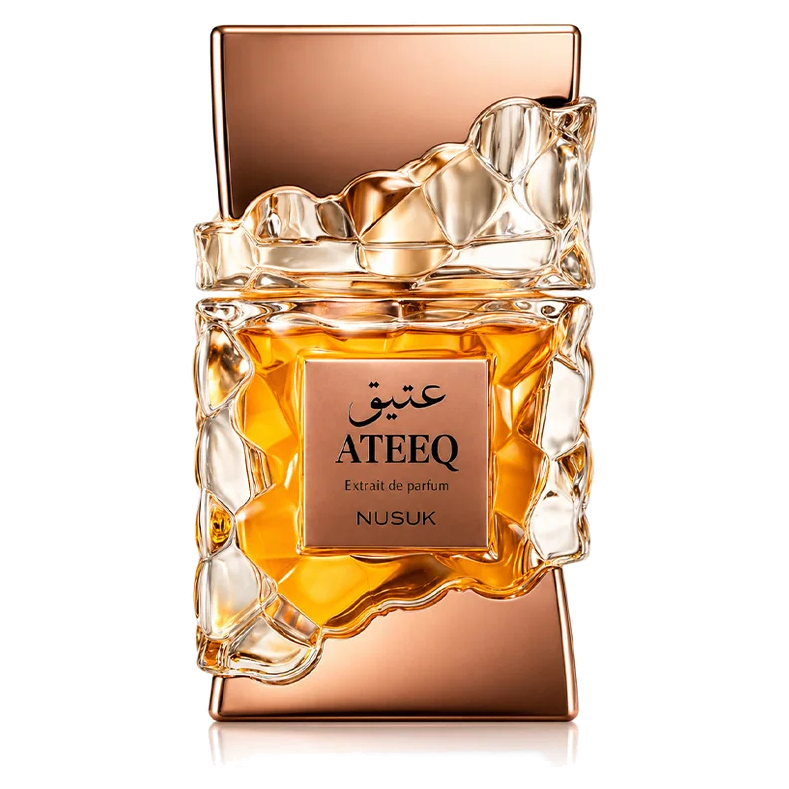
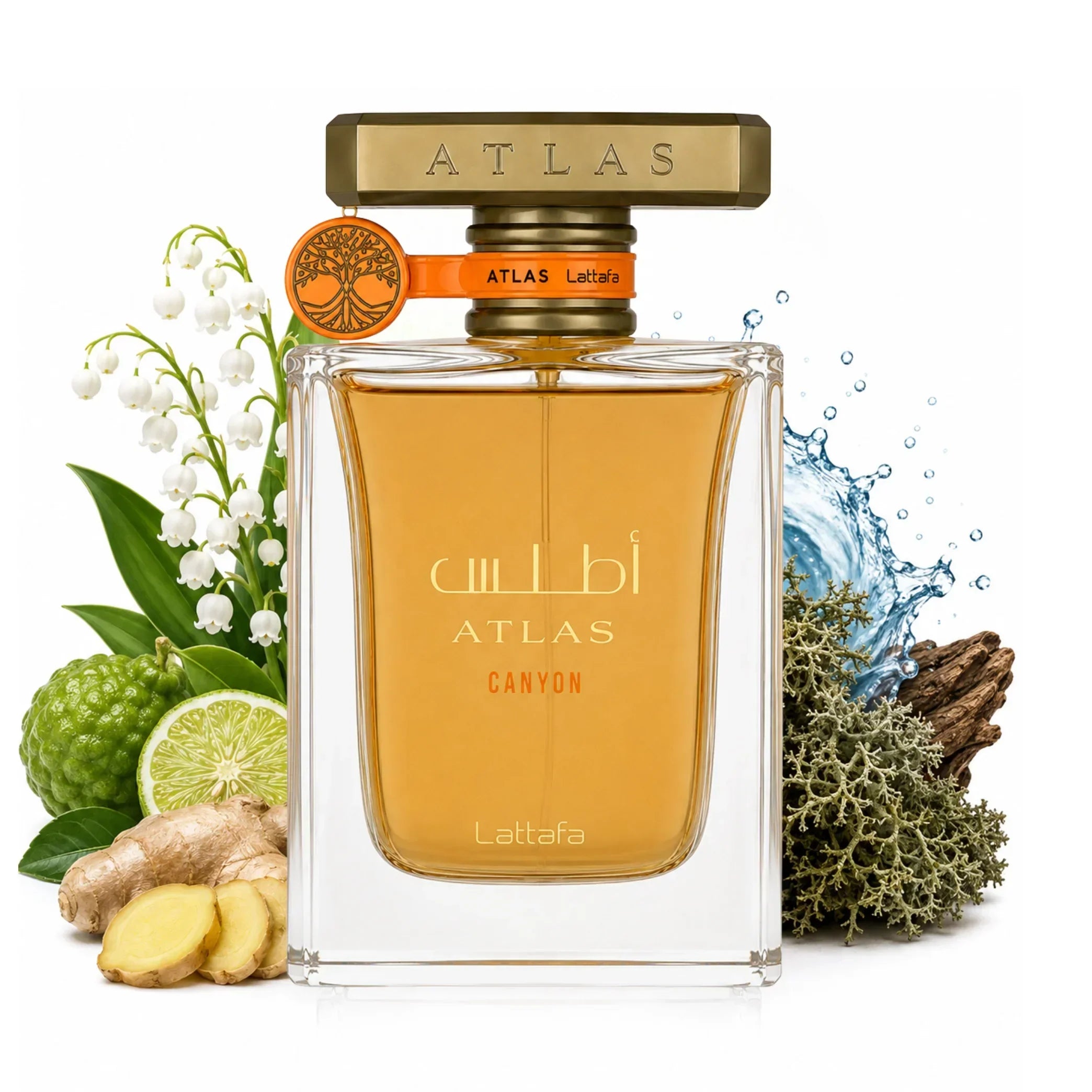
Over recent years, consumer preferences across Germany have shifted substantially away from light, predictable designer accords toward bold, resinous, and spiced oriental fragrance profiles. Fragrance collectors now demand depth, complex maceration, and long-lasting trail projection. Ingredients once considered rare or challenging—such as Cambodian oud, smoky frankincense, dark patchouli, creamy sandalwood, and rich praline accords—have become modern staples for discerning perfume wearers.
For those seeking to expand their fragrance library beyond commercial limits, direct-to-consumer niche houses and Middle Eastern perfumeries provide an exceptional alternative. Formulations such as Nusuk Ateeq Extrait de Parfum demonstrate how high-concentration extract manufacturing creates a lasting, multi-layered scent aura without demanding astronomical luxury-label markups. By focusing budgets on high oil ratios and premium aromatic compounds rather than celebrity endorsement campaigns, these perfume houses deliver remarkable quality directly to the consumer. For a deeper look at these traditions, review our guide to Dubai perfumes explained to understand how traditional compounding methods shape modern Middle Eastern luxury.
Building a sophisticated, versatile fragrance wardrobe requires assembling distinct profiles that match seasonal shifts and varying social occasions:
- Spring Transitions: Opt for crisp floral-orientals or bright, spice-laced woods that cut through cool mornings without becoming cloying as the afternoon warms up.
- Summer Heat: Select sophisticated citrus-gourmand hybrids or high-concentration aquatic ambers like Riiffs Golden Elixir Reserve that maintain structural integrity without turning sour under sweat.
- Autumn Evenings: Introduce rich gourmands, aromatic tobaccos, and roasted coffee accords, such as Fragrance World Cafe N Cream, which blossom beautifully as ambient temperatures fall.
- Winter Freezes: Deploy dark resinous ouds, rich leather accords, and dense amber blends that project with authority through heavy winter coats and crisp mountain air. For an overview of upcoming compositional movements, study our analysis of fragrance trends for 2026.
When sourcing these exclusive profiles, work with genuine, specialized domestic perfume stockists. Look for domestic suppliers that maintain stock inside Germany, provide transparent ingredient transparency, and curate collections tailored to both male, female, and unisex aesthetics. LuxusAroma provides Damenparfums, Herrenparfums, Unisex Düfte for Consumers looking for exclusive, high-end, and long-lasting luxury fragrances for men, women, or unisex use, including niche and Arabic perfume brands.
By broadening your horizon past the standardized commercial aisles of Douglas Germany, you gain access to an expansive world of high-concentration, artistic perfumery that delivers true longevity, authentic complexity, and personal distinction.
Frequently Asked Questions
What is Douglas Germany known for?
Douglas Germany is widely recognized as the country's primary nationwide beauty and cosmetics chain, anchoring pedestrian zones across almost every major city. The retailer is celebrated for offering immediate access to mainstream designer fragrances, prestige commercial skincare, and mass-market cosmetic counters. For the majority of high-street shoppers, it represents the default physical destination for familiar designer perfume launches and seasonal gift sets.
Is Douglas considered a true luxury fragrance retailer?
While Douglas carries premium and prestige designer brands produced by major global fashion houses, it primarily operates in the mass-prestige commercial beauty market. True luxury perfumery centers on high-concentration raw extracts, small-batch artisanal production, and rare independent houses that avoid mass commercial distribution. While select flagship city branches carry a curated commercial luxury wall, the standard retail store focuses on high-turnover designer designer scents.
Can you buy niche and Arabic perfumes at Douglas Germany?
The mainstream catalog at Douglas Germany offers a minimal selection of trending Arabic or authentic oriental perfume houses. While a handful of major corporate-owned niche labels appear on their digital platform, authentic Middle Eastern extraits, resinous oud profiles, and specialized viral artisan lines remain largely absent from their brick-and-mortar shelves. Shoppers looking for authentic Arabic perfumes and dedicated niche houses must look to focused, independent fragrance boutiques.
Who owns Douglas Germany?
Douglas Germany is operated by the DOUGLAS Group, an enterprise backed by private equity firm CVC Capital Partners alongside the founding Kreke family. Following corporate restructuring and strategic growth initiatives across European e-commerce, the parent company executed a public stock exchange listing to support its modern commercial beauty network.


